Raw Dog Food Preparation Guide
Section 2 – The Food And Ingredients You Will Need
Core Ingredients: Muscle Meats, Organ Meats, Vegetables and Fruits
Video Summary for Muscle Meats:
- Beef (cow, bison, deer, elk, etc)
- Whole Poultry (we do not remove the fat and use whole organic pasture-raised chickens)
- Ground Pork (small amounts, and must be frozen for at least 3-weeks!)
- Fish (Cooked!)
- Other meats include rabbit, elk, deer, yak, emu, etc.
- Stomach/tripe, heart and gizzard
- We don’t recommend meat in chunks; use fully ground meat instead
- Vary the meats
Video Summary For Organ Meats:
- Liver, kidney, spleen, testicles, tongue and brain
- Lung has some muscle in it, but is considered more organ meat than muscle meat
- We don’t recommend meat in chunks; use fully ground meat instead
- Vary the meats
Video Summary For Vegetables and Fruits:
- Approved vegetables and fruits: See Raw Dog Food Calculations Spreadsheet
Foods To AVOID
- Alcohol
- Chocolate
- Citrus
- Avocado
- Garlic
- Caffeine
- Coffee
- Tea
- Grapes
- Raisins
- Mushrooms
- Nutmeg
- Macadamia Nuts
- Onions (all onions, including leeks and chives)
- Peanuts
- Strawberries
- Xylitol
- Yeast dough/bread dough
Additional Ingredients
Video Summary For Additional Ingredients:
- Eggs
- Yogurt – clean without any added ingredients, especially sugar; goat’s milk is recommended
- Additional foods and supplements:
- Egg shell powder (see prep section for making egg shell powder from egg shells)
- Almonds and walnuts or Vitamin E oil
- Coconut Oil
- Kelp Powder
- Alfalfa powder
- Chia/Flax seeds (ground)
- Placque Off – to help clean teeth
- Option: Use Bone Meal Powder purchased as a supplement in place of egg shell powder (see: Section 4 – Preparing For Assembly Of The Ingredients, Step 1: Using The Spreadsheet Tool, for more information about this)
- Option: Add a multi-mineral/multi-vitamin mix. This is optional as if you use high quality ingredients your dog should be fine. But we want to make sure we have a complete diet so to be conservative, we purchase a multi-vitamin/mineral mix and use it one day followed by the above mix the next day, and repeat. We like Dr Dobias’ SoulFood mix.
Ingredient Quality
Video Summary For Ingredient Quality:
- Meats: Grass fed vs organic vs conventional
- We recommend grass fed meats direct from ranchers with independent certifications (see the Meat-Poultry-Fish Quality Action Guide for more information)
- We recommend organic chickens (see the Meat-Poultry-Fish Quality Action Guide for more information)
- Vegetables and Fruits: organic vs conventional
- We recommend organic due to the heavy pesticide use in conventional which is clearly linked to health issues in humans and may be the same with dogs.
- Additional ingredients: organic vs conventional
- We recommend organic due to the heavy pesticide use in conventional which is clearly linked to health issues in humans and may be the same with dogs.
- Please see this article about enhanced meats
Additional Tools to Help Determine Meat Quality:
- Download the Meat-Poultry-Fish Quality Action Guide for more information (PDF)
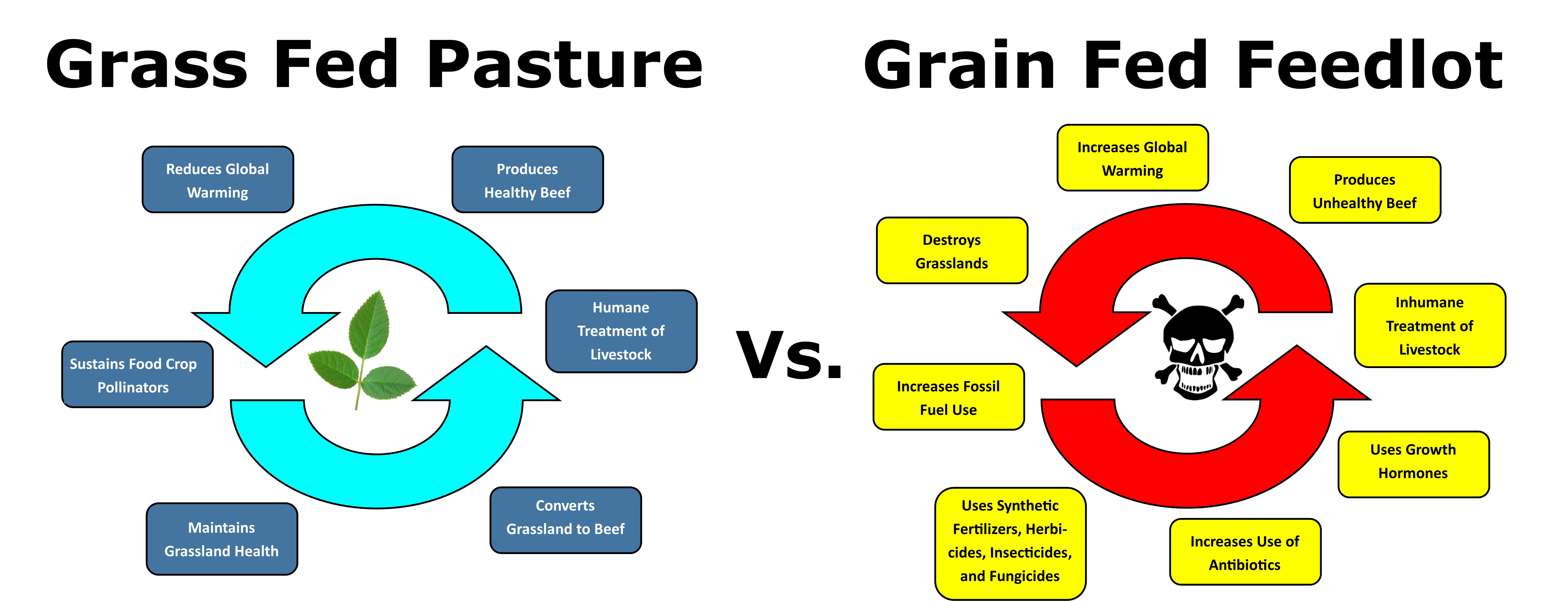
- Download the full article on Grass Fed Versus Grain Fed Meats and why you really want to be purchasing grass fed – PDF (see image summary below)
Ingredient Costs
Costs to purchase the food and additional supplements will vary greatly based on quality, if you can achieve savings from buying in bulk and if you grow your own fruits and vegetables.
We use only the highest quality ingredients we can find, which includes grass fed meats that we purchase in bulk directly from ranchers whose operations we inspect and approve, organic fruits and vegetables, some of which we grow during the summer season, and organic supplements. Our average cost per pound of dog food is $5. If you cannot purchase grass fed meats in bulk direct from ranchers, and instead, purchase in your local store, then costs will probably average $9 or more per pound of dog food.
Grass Fed Versus Grain Fed Beef Infographic