
Basic Dog Training Online Course
Section 2 – Management
List Situations Or Issues To Resolve Through Management
The first step in changing your dog’s behavior is to prevent the unwanted behavior from happening in the first place. This is critical to successfully changing behavior. Preventing your dog’s behavior is called management and is done by managing your dog’s environment. You will save a lot of frustration, stress, anger and energy if you focus on managing your dog’s environment rather than reacting to your dog’s unwanted behaviors and dealing with the resulting cleanup.
Here are a few of the many behaviors that can be prevented (at least, in part!) through the use of management:
- Chewing table legs, books, shoes, or other inappropriate items;
- Running out the door and off down the street;
- Urinating in the house;
- Chasing your cat in the house;
- Nipping the kids when they run around your backyard.
Management is your strongest ally in developing a well-behaved dog. You will be able to eliminate or change an unwanted behavior FASTER if you use management to prevent the behavior from happening in the first place. The more often your dog is given the opportunity to begin an unwanted behavior—even if you can interrupt it quickly—the more you run the risk of making a habit of this behavior.
Before you move on to training, make a list of what situations or issues can be resolved through management and how you will manage these situations. If you share your household with others, make sure everyone understands their role in managing these situations.
You can make your own list or continue to use the worksheet we provided in Section 1.
Management Tools
In most cases, we will use some sort of tools for management purposes. Possible tools to use for management include: collars or harnesses, leashes, long lines, tethers, crates, baby gates, and ex-pens.
For example, if your dog jumps on visitors when they enter your house, you might attach a leash to your dog's collar and keep your dog with you to prevent jumping. Or, you might use a baby gate to prevent your dog from getting to the door when visitors enter.
Another example of management might be using baby gates to allow your cat to get away from your dog if he likes to chase your cat. Or you might have a baby gate with a smaller cat door so your cat can enter the laundry room where you keep the litter box to keep the dog out. Or perhaps you place the cat's food in a high shelf that the cat can access but the dog cannot so your dog cannot eat the cat's food.
List out the management tools you will need based on your goals and expectations that you have listed. You can make your own list or continue to use the worksheet we provided in Section 1.
How Long To Employ Management
As your training takes effect, you will slowly back off on the management of your dog’s environment. Take your time, and give your dog more freedom in small manageable steps. If you lessen your management and your dog reverts back to the behavior you were trying to eliminate, then you might have allowed too much freedom too soon.
Part of the frustration during training is that your dog will sometimes revert back to a behavior you thought was gone. If this happens, know that you didn’t do anything wrong and that what you did worked, at least temporarily. Some remedial training is in order; reintroduce your management plan for a while and resume your training on this particular issue. In most cases, your work will take effect much faster this time and you can wean off the management in the near future.
Some people choose to use management for the dog’s entire life rather than training to change the behavior. This can be appropriate for some situations, but carefully consider whether anyone could be put at risk in the long run. Will it be a minor inconvenience or a situation that imperils your dog’s or someone else’s safety? For example, a dog who guards his food and could bite someone might be manageable in a household with one adult who is diligent about the situation, but is a much greater risk in a household with small children.
Relevant Resources To Compliment This Section

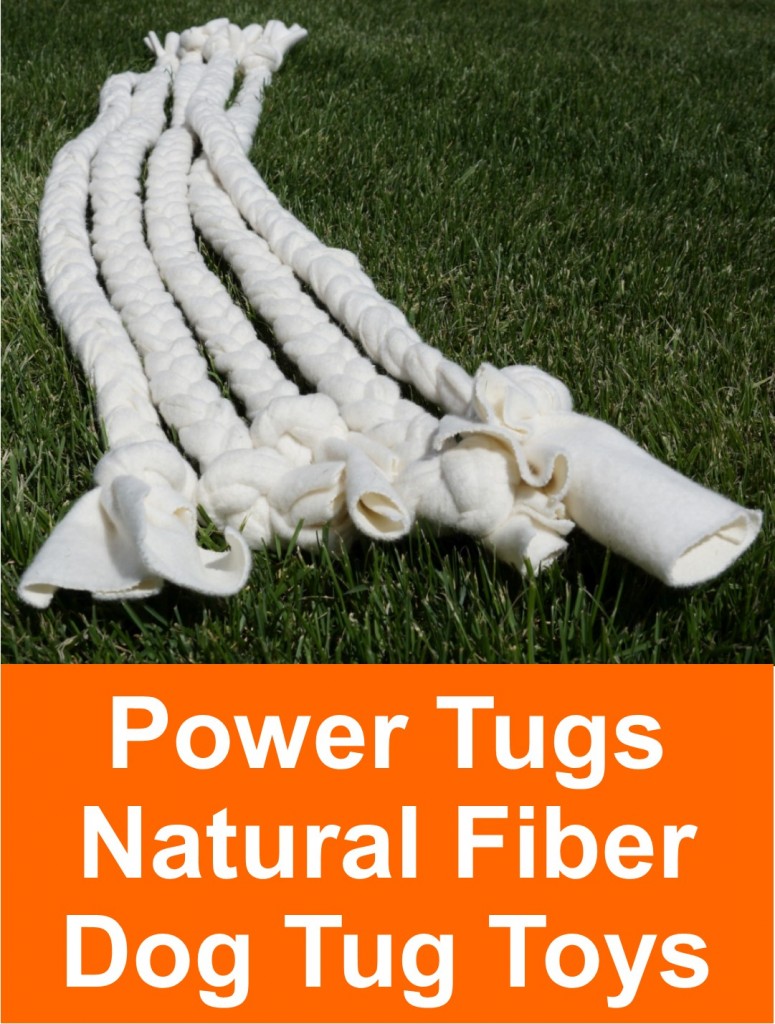
Our Power Tugs are a great management tool for puppies. Click here to learn more.
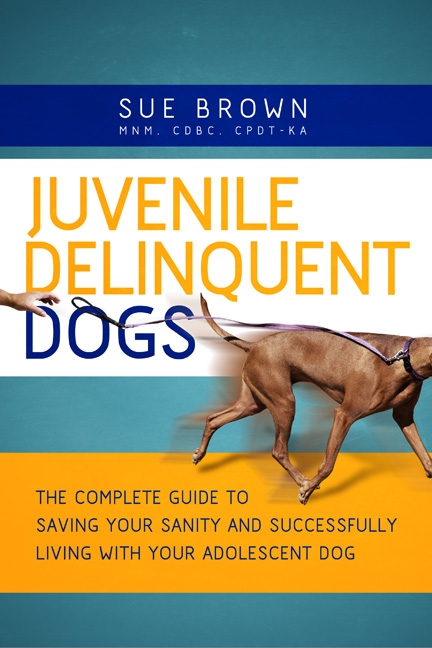
Lear more about management for your dog with our book.